

Within the current rapid logistics sector, warehouses play a crucial role in the supply chain, acting as the cornerstone of operations for companies across various industries. To improve effectiveness and increase productivity, companies are more and more turning to personalized solutions designed for their specific needs. Included in this are wooden pallets, which have established themselves as an integral component that not just aids safe and efficient storage and transportation but also meets the unique requirements of various operations.
Wooden pallets are sought after for their robustness, durability, and versatility, making them a common item in storage locations worldwide. They can be designed and created to support a variety of products, enabling businesses can process their inventory with ease and confidence. By integrating custom wooden pallets into their processes, warehouses can considerably improve their handling processes, reduce damage during transit, and in the end enhance their complete performance.
The Role of Wooden Pallets in Storage Facility Efficiency
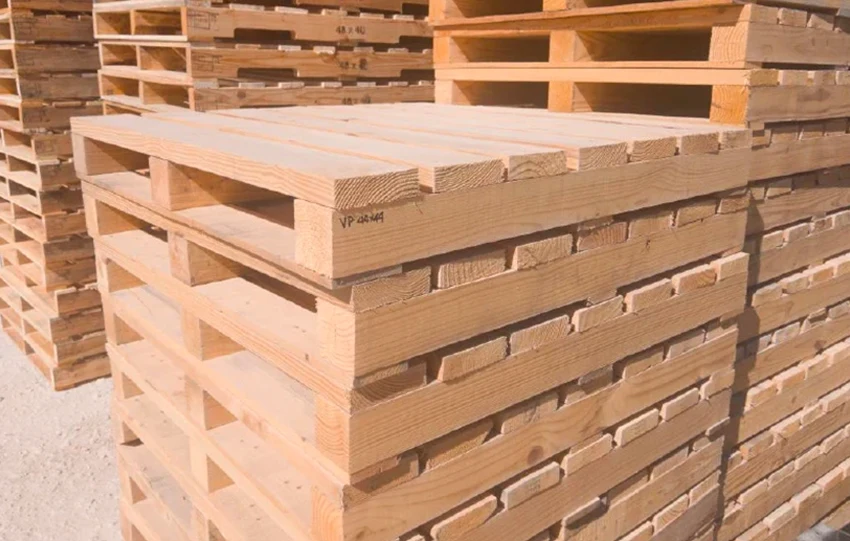
Wooden pallets play a critical role in enhancing storage operations by providing a reliable and strong platform for transporting and storing goods. Their strength allows them to withstand heavy loads, making them an perfect choice for warehouses that handle diverse materials. Furthermore, pallets in tulsa are budget-friendly, ensuring that facilities can manage their budgets while maintaining efficient operations.
One of the significant advantages of wooden pallets is their adaptability to different goods and spaces. They can easily be tailored in size and design to fit particular storage needs, accommodating individual product dimensions and storage requirements. This versatility not only boosts the organization of inventory but also makes the best use of available space, allowing for more efficient utilization of the storage area.
Additionally, wooden pallets support effective handling practices. Their lightweight nature makes them easy to move manually or with equipment, reducing the time and effort required during loading and unloading processes. This effectiveness contributes to quicker turnaround times, ultimately increasing the overall productivity of logistics operations. Enhancing effectiveness through the use of timber pallets can lead to remarkable improvements in both process and customer happiness.
Adapting Wooden Pallets to Particular Needs
Personalized wooden pallets provide an flexibility to address diverse warehouse requirements within a distribution center. Companies can tailor these sizes, weight capacities, and forms of skids to improve efficiency and ensure fit to the racking setup. These adaptation permits companies for enhance space efficiency at the same time accommodating diverse products, including large industrial items and fragile items. By designing pallets that fit particular demands, organizations are able to boost overall process and output.
A major plus of custom timber skids comes from an ability for add specific characteristics which address unique logistical needs. Regardless of whether adding by inserting extra corners for increased sturdiness and featuring specialized coating options to avoiding movement, such modifications can ensure the safety of goods during transport and warehousing. Furthermore, personalized skids can be built featuring promotional aspects, providing an further marketing avenue and maintaining functionality. Such strategy allows storage facilities to stand out while confirming their products remain in good condition transported.
Lastly, investing in customized wood pallets can bring about monetary savings in the duration. By creating pallets that exactly match the specific items that they handle, organizations minimize the likelihood for damage, thereby lowering expenses associated with product spoilage as well as disruption. Moreover, well designed skids can enhance packaging effectiveness and minimize delivery costs, since they might fit more goods per each shipment. While storage facilities aim to streamline efficiency, the value of bespoke wooden skids grows more and more apparent in driving both functional and monetary outcomes.
Eco-Friendly Techniques in Pallet Management
Eco-friendly practices in pallet management are vital for minimizing waste and promoting environmental responsibility in logistics. Timber pallets are often repurposable and can be reused numerous times, prolonging their lifecycle and minimizing the need for additional raw materials. By establishing a method for repairing and refurbishing pallets, warehouses can significantly decrease the volume of discarded pallets, which supports a more sustainable logistics operation.
A further important aspect of sustainability in pallet management is the use of sustainably sourced wood. Numerous companies are now favoring suppliers that practice sustainable forestry, ensuring that the wood used for pallets comes from renewable resources. This not only aids to protect forests but also meets the growing consumer demand for green products. Utilizing such practices builds a positive brand image and can attract customers who value sustainability.
In addition, integrating technology into pallet management can optimize operations and lessen environmental impact. For example, monitoring pallet usage and implementing an efficient return system can reduce the number of pallets that go to waste. Innovations like pallet pooling services enable companies to share resources, leading to cost savings and lower carbon footprints. By accepting these modern approaches, warehouses can improve their operational efficiency while also dedicating themselves to sustainable practices in pallet management.